







A mistake often teaches more than a correct answer. That’s why leadership is not so much about making perfect decisions, but about having the courage to act in an incomplete situation and take responsibility for it. As working life becomes more complex and faster than ever, uncertainty also increases. Growth depends more on courage than on control.
Many organizations speak of agility and learning, yet fear of failure remains strong. Risk-taking has been replaced with caution, experimentation with detailed planning, and a quiet acceptance that doing nothing feels safer than making a brave decision that might go wrong. This mindset leaves little room for honest mistakes. But without mistakes, there are no insights, no learning, no direction. Only safe repetition.
A mistake is not a sign of weakness. It is often the only evidence that something new was attempted. Machines minimize deviations. People learn from them. When mistakes are eliminated, so is growth. That is why courage is one of the most important competitive advantages for the future. It matters not only in decision-making but also in culture. The courage to allow incompleteness. The courage to say, I don’t know yet. The courage to take responsibility even when it would be easier to pass it along.
The task of leadership is not to guarantee perfection, but to create space for real learning, the kind that happens when a decision turns out to be wrong in hindsight and someone dares to pause, take responsibility, ask why, and adjust the course. Learning that doesn’t happen in performance reviews but in the middle of real situations. In moments when no one is fully ready, and everyone has something at stake.
Humanity is not a soft skill. It is the hardest part of leadership.
Leadership is ultimately a human act. It involves presence, judgment, and values. These are things no machine can replicate (yet). In a world shaped by systems and speed, it’s precisely our human qualities that define whether we use technology wisely or just efficiently. In the end, humanity is not a soft skill. It is the hardest part of leadership.
This is precisely why leadership still belongs to humans. Only a human being can choose to grow through discomfort. Technology can accelerate progress, but it doesn’t build human wisdom. Growth happens when people reflect, adapt, and take responsibility. That is the work of leadership, and no algorithm can do it for us.
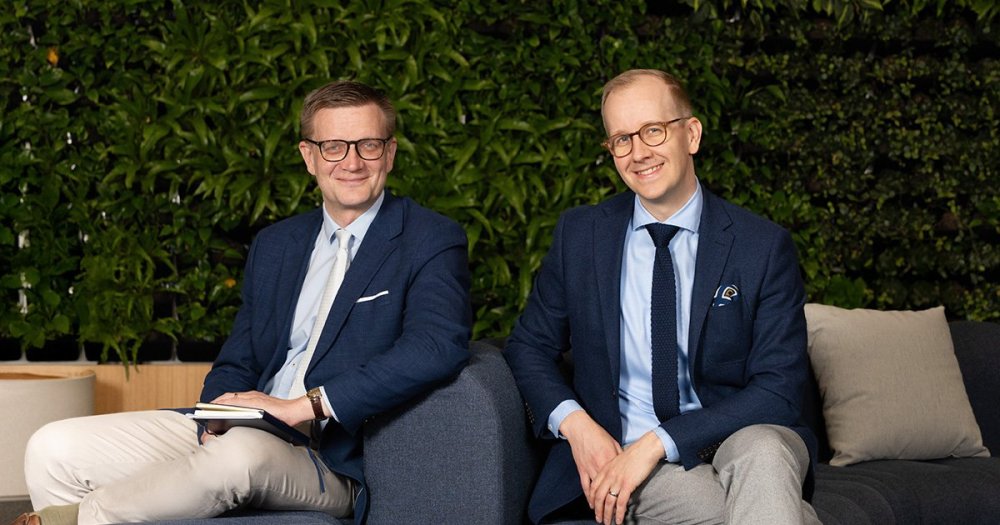
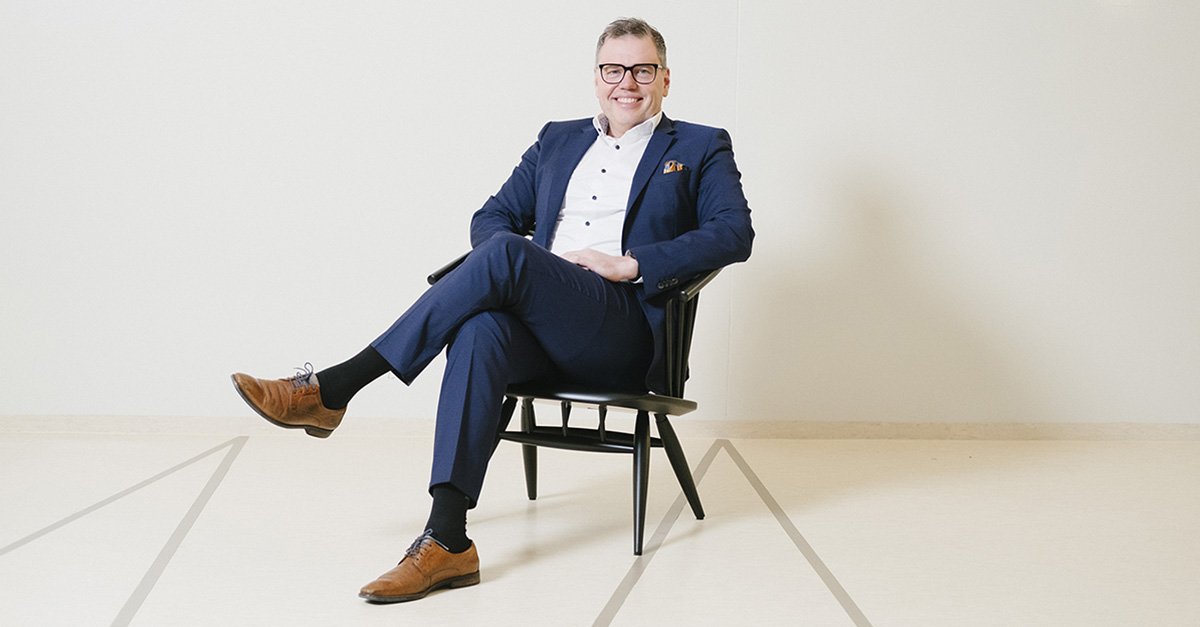
Tom Lindholm serves as the Managing Director of Aalto EE and the Head of Lifewide Learning at Aalto University